Building Civic Confidence: How Press Forward Minnesota is Using the Index to Fund a New Kind of Journalism
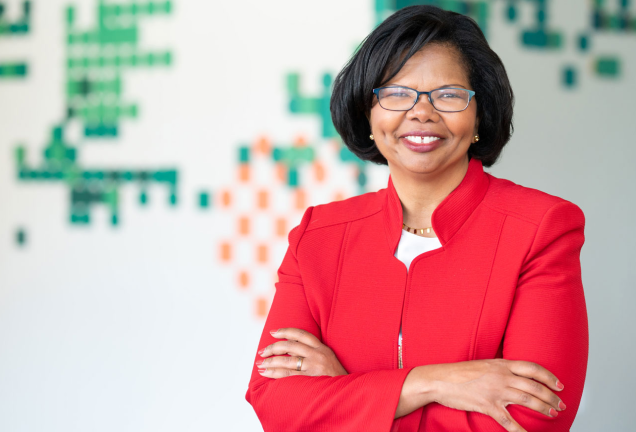
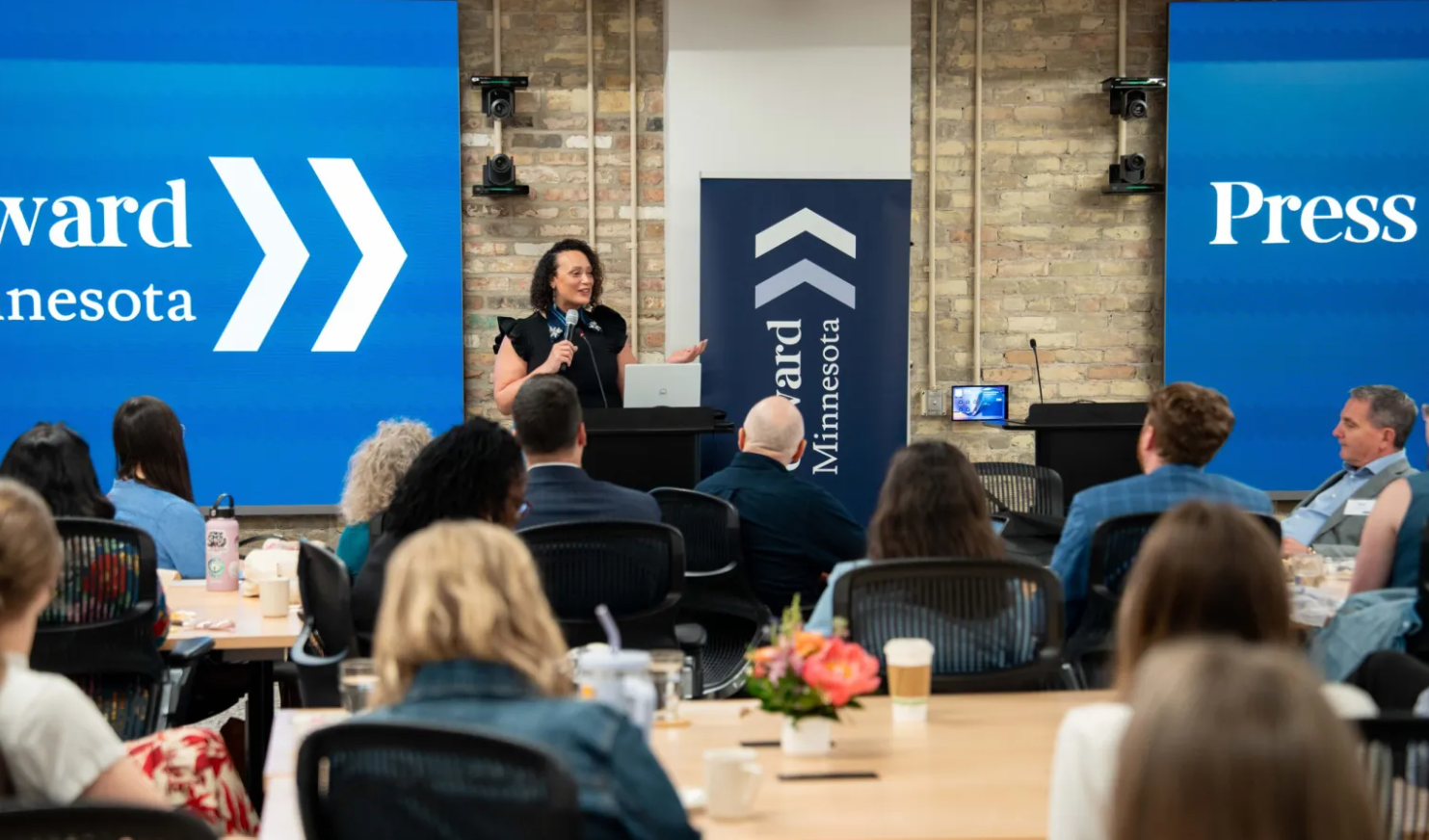
For Press Forward Minnesota’s (PFMN) May Yang, the journey to understand local information needs around the state began with a troubling discovery. A statewide information ecosystem assessment showed that despite some of the highest voter turnout and census response numbers in the country, people reported low civic confidence. “That was really astonishing to us,” said Yang, the senior manager for Policy and Partnerships at the Minnesota Council on Foundations, and one of the leads for the statewide Press Forward chapter. As part of the vision to create a “thriving, sustainable, and equitable Minnesota local news ecosystem that serves and reflects its diverse communities,” she knew they had to not just fund journalism, but establish a link between access to local news and meaningful civic action.
A Framework for Action
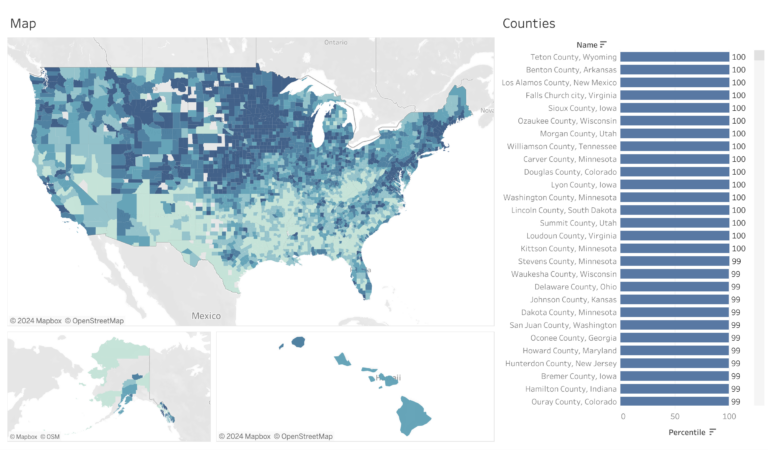
PFMN gave out 13 grants in its first year to small, local newsrooms with a goal of alleviating coverage gaps around the state. In developing criteria for a second round of grants, May Yang wanted to make sure they addressed the data point about the lack of civic confidence. When Press Forward’s national umbrella shared out the Civic Information Index, she said the dots began to connect. “It helped put all of these pieces together to really create a conceptual framework that we could apply to what we’re already doing,” Yang said.
Yang and her colleagues saw an opportunity to use the Index to push local media in Minnesota to think more broadly about the communities they serve, the civic needs they have, and how they can better connect and collaborate outside of their traditional news networks. This insight became the foundation for their new “Civic Health and Community Collaborations” grant round.
From Insight to Infrastructure: A Rubric-Driven Approach
PFMN integrated the Index’s four pillars—News and Information, Civic Participation, Equity & Justice, and Health & Opportunity—directly into their grant evaluation rubric. The application process required newsrooms to explore partnerships with nonprofits that were already trusted sources of information for many, such as local food pantries or refugee services that also distributed civic information. “There were already these hubs,” Yang said, “and we want these partnerships and relationships to live beyond this grant round.” Their aim is to forge long-term allies with these organizations as trusted messengers within the local information ecosystem.
“It helped put all of these pieces together to really create a conceptual framework that we could apply to what we’re already doing.”
The Capacity Bottleneck
PFMN received 33 applications for their Civic Health and Community Collaborations grant. “We saw multiple applications that listed the same community partner,” May Yang said. This finding was a pivotal, real-time insight generated by their process. It showed who is leading work on the ground, but it also revealed a bottleneck in the ecosystem’s capacity for partnerships.
It also revealed something else: a gap in understanding, as many organizations struggled to see “civic health” as anything beyond voter turnout. The Index, Yang explained, was a tool for “equipping us to be navigators of all of this, helping translate philanthropy language into tangible community actions.”
Why It Matters: Shifting from Stories to Community Infrastructure
The Index provided a shared language for PF Minnesota to translate a data point around civic confidence into a $1 million strategy. Now, they are tracking the results. The plan is to revisit their original news survey in a few years, with a key indicator of success being an increase in civic confidence.
By embedding the Civic Information Index in their grant-making, Press Forward Minnesota has created more than a funding round; they have built a strategic tool to navigate, measure, and actively build a more confident, equitable, and engaged citizenry.
We are deeply grateful to May Yang and Press Forward Minnesota for generously sharing their story.